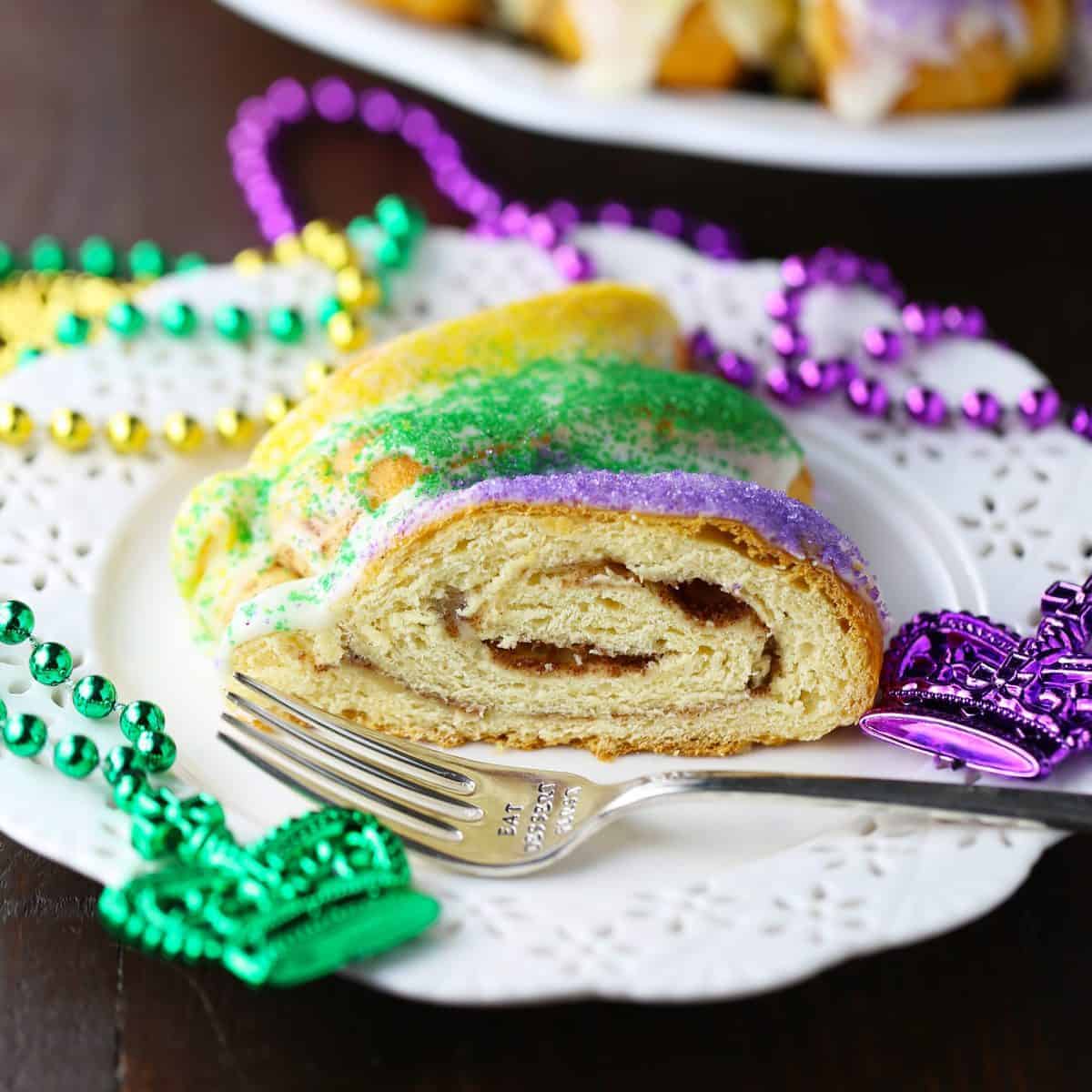
Unveiling the Magic of King Cake: More Than Just a Dessert
When the vibrant energy of Mardi Gras sweeps across the nation, bringing with it a kaleidoscope of parades, music, and the iconic tossing of beads, one culinary delight stands out as its sweetest symbol: the King Cake. Far more than just a dessert, this festive pastry is a centerpiece of celebration, embodying tradition, community, and a touch of good fortune. While New Orleans is synonymous with these pre-Lenten revelries, the King Cake's reach extends far beyond Bourbon Street, uniting friends and family in a delicious quest for the hidden treasure within.
For many, the mention of Mardi Gras immediately conjures images of extravagant street parties and the distinctive purple, green, and gold decorations. Yet, woven into this tapestry of joy are cherished traditions, and the King Cake is perhaps the most beloved. Its origins stretch back centuries, but its modern form, adorned with thick icing and sparkling sugars, has become an undeniable icon of the season. At its heart, a King Cake offers a unique blend of sweet bread, often filled with delectable ingredients, all leading up to the exciting discovery of a tiny, hidden toy baby – a symbol steeped in history and promising luck for the year ahead.
The Heart of the Celebration: What Makes a Perfect King Cake Recipe?
At its core, a King Cake is a delightful sweet bread pastry, but its perfection lies in the details of its creation. A truly authentic king cake recipe typically starts with a rich, brioche-like dough, yielding a fluffy and slightly chewy texture that serves as the perfect canvas for its celebratory adornments.
Here’s a breakdown of the key elements that contribute to this iconic dessert:
- The Dough: The foundation is a yeast-leavened dough, often enriched with butter, eggs, milk, and sugar. This combination creates a tender crumb that is both sturdy enough to hold its shape and soft enough to be incredibly satisfying. Bakers often incorporate a hint of citrus zest or nutmeg to add a subtle aromatic complexity. The process involves careful kneading, followed by a crucial proofing (rising) period, allowing the yeast to develop the cake's characteristic texture and flavor.
- The Filling: While traditional king cakes were often unfilled, modern versions frequently boast a variety of delectable fillings. Popular choices include:
- A simple yet irresistible cinnamon-sugar blend, often mixed with melted butter.
- Cream cheese, sometimes sweetened and flavored with vanilla, adding a creamy tang.
- Pecan praline, offering a delightful crunch and deep, caramelized flavor.
- Fruit fillings, such as apple or cherry, for a burst of fresh sweetness.
These fillings are typically spread over the rolled-out dough before it's shaped into its signature wreath.
- The Icing: A thick, sweet glaze generously coats the cooled cake. This is usually a simple confectioner's sugar glaze, often made with milk or citrus juice, creating a smooth, slightly crackled finish as it sets.
- The Decorations: This is where the King Cake truly comes alive visually. Colored sugars in purple, green, and gold are sprinkled in distinct sections over the icing. These colors are not arbitrary; they hold symbolic meaning: purple represents justice, green symbolizes faith, and gold embodies power.
Mastering a king cake recipe involves patience and a love for the craft, culminating in a dessert that's as beautiful to behold as it is delicious to eat. For those looking to explore more intricate baking techniques, you might find inspiration in advanced bread recipes that share similar dough structures, offering a gateway to understanding the nuances of yeast baking, perhaps like the methods discussed in
king cake recipe - Article 2.
A Sweet History: From Ancient Traditions to Mardi Gras Staples
The story of the King Cake is a fascinating journey through centuries and continents, intertwining religious observance with festive celebration. Its roots are deeply embedded in European traditions, specifically tracing back to France and Spain, where it was known as
galette des rois (cake of kings) or
roscón de reyes.
This sweet bread was historically eaten on January 6th, a date known as Three Kings' Day or Epiphany. Epiphany marks the biblical arrival of the three wise men, or Magi, who presented gifts to the infant Jesus. The wreath-like shape of the cake, often adorned with a "crown" of candied fruits, was designed to honor these three kings. As European immigrants made their way to America, particularly to the vibrant melting pot of New Orleans, they brought this cherished culinary tradition with them. The earliest American versions were much simpler, bearing a closer resemblance to their European ancestors, a humble nod to a profound spiritual event.
Over time, particularly in New Orleans, the tradition evolved to become a central element of the Mardi Gras season, which begins on Epiphany and culminates on Fat Tuesday. The cakes themselves transformed from plain pastries into the elaborate, colorful creations we recognize today, reflecting the flamboyant spirit of the Carnival season. This evolution from a solemn religious cake to a lively Mardi Gras staple showcases a beautiful blend of cultural adaptation and innovation, turning an ancient custom into a modern spectacle.
The Lucky Find: Decoding the King Cake Baby Tradition
Perhaps the most enigmatic and exciting element of a King Cake is the tiny, hidden toy baby. This miniature figurine, traditionally tucked into the cake after baking (to prevent melting or burning), is a powerful symbol said to represent baby Jesus. Its discovery within a slice of cake is not just a delightful surprise; it carries significant cultural weight and a host of traditions.
Historically, the act of hiding objects in cakes dates back to the 19th century, long before the toy baby became standard. During this period, King Cakes were already a beloved dessert at Mardi Gras celebrations, particularly at the lavish annual balls held in New Orleans. Bakers would often conceal a fava bean within the cake, or sometimes a pecan or even a gold ring. The person who found this hidden item was bestowed with the coveted title of "king" or "queen" of the ball, a social honor that came with bragging rights and, more importantly, a specific responsibility.
The transition from a fava bean to a toy baby is a story rooted in clever marketing. In the 1940s, a traveling salesman with a surplus of porcelain babies approached McKenzie’s Bakery, then one of New Orleans’ most successful commercial bakeries. He proposed the idea of hiding these porcelain figurines in the King Cakes. The concept quickly took hold, adding a new layer of charm and novelty to the tradition. Eventually, for reasons of safety and cost, porcelain was replaced by plastic toy babies, which remain the standard today.
Whoever finds the baby is not only dubbed king or queen for the evening but is also traditionally responsible for providing the King Cake for the following year's Fat Tuesday celebration. This creates a delightful chain of tradition, ensuring the continuation of the festive custom year after year. It's a playful yet profound way to pass on the legacy of good luck and communal celebration.
Crafting Your Own King Cake: Expert Tips for Home Bakers
Embarking on your own king cake recipe adventure can be an incredibly rewarding experience, filling your kitchen with the sweet aroma of Mardi Gras. While the process requires a bit of time and patience, the end result – a homemade masterpiece – is well worth the effort. Here are some expert tips to guide you through making your own authentic King Cake:
- Activate Your Yeast Properly: The foundation of a great King Cake is a vibrant, active yeast. Always proof your yeast in warm (not hot!) milk or water with a pinch of sugar. If it doesn't get foamy within 5-10 minutes, your yeast might be old or the liquid was too hot/cold, and it's best to start again.
- Knead for Elasticity: Don't rush the kneading process. Whether by hand or with a stand mixer, develop the gluten fully. This creates the elastic, pliable dough essential for that signature fluffy texture. The dough should pass the "windowpane test" – you should be able to stretch a small piece thin enough to see light through it without tearing.
- Patience with Rising: Yeast doughs thrive in warm, draft-free environments. Allow ample time for the dough to double in size for both the first and second rises. A slow rise often results in a more flavorful cake. You can even do a slow overnight rise in the refrigerator for deeper flavor development.
- Don't Overbake: Overbaking can lead to a dry cake. King Cakes should be golden brown and cooked through, but still moist. A quick temperature check with an instant-read thermometer (around 190-200°F / 88-93°C) can ensure perfection.
- Creative Fillings: While cinnamon sugar is classic, feel free to experiment with different fillings. Cream cheese, fruit preserves, or even a hazelnut spread can add a delightful twist. Just ensure your filling isn't too wet, which could make the dough soggy.
- Safe Baby Placement: For safety, always insert the toy baby *after* the cake has completely cooled and *before* you apply the icing. This prevents any melting or damage during baking and ensures it's clean and safe for consumption. Be sure to inform everyone about the tradition and the hidden baby!
- Mastering the Colors: Use high-quality food coloring to dye your granulated sugar for the iconic purple, green, and gold. Apply the icing first, then quickly sprinkle the colored sugars in distinct stripes or sections before the icing sets.
- Serving Suggestions: King Cake is best enjoyed at room temperature with a cup of coffee or a glass of milk. It’s perfect for sharing at gatherings and truly embodies the spirit of communal celebration.
By following these tips, your homemade King Cake will not only taste incredible but also carry on a cherished tradition. Whether you’re a seasoned baker or trying your hand at yeast breads for the first time, crafting your own King Cake is a joyous culinary journey. And for more creative ways to present your festive treats, you might explore techniques for holiday baking and presentation, perhaps in articles similar to
king cake recipe - Article 3.
Conclusion
The King Cake is much more than a seasonal pastry; it’s a delicious embodiment of history, culture, and community spirit. From its ancient European origins celebrating Epiphany to its vibrant role in modern Mardi Gras celebrations, this sweet bread holds a special place in the hearts of many. With its rich dough, delightful fillings, colorful icing, and the thrilling surprise of a hidden baby, making a King Cake is an act of creation that yields both a scrumptious treat and a tangible piece of tradition. So, whether you're buying one from a local bakery or venturing to bake your own king cake recipe from scratch, embrace the festive spirit, share the joy, and may good luck be yours for the finding!