Unveiling the Magic of a King Cake Recipe: A Journey into Mardi Gras Tradition
When the festive spirit of Mardi Gras sweeps across the nation, particularly in the vibrant streets of New Orleans, one culinary delight stands out amidst the parades, music, and colorful beads: the iconic King Cake. Far more than just a sweet pastry, a classic king cake recipe is a symbol of celebration, history, and a touch of good fortune. This unique dessert, known for its distinctive wreath shape, thick frosting, and vibrant purple, green, and gold sprinkles, holds a cherished place in the hearts of revelers.
Whether you're planning a full-blown Mardi Gras bash or simply want to bring a taste of the carnival season into your home, understanding the art of making king cake from scratch is a rewarding experience. It's a culinary tradition that invites participation, storytelling, and a delightful sense of community.
What is King Cake? More Than Just a Dessert
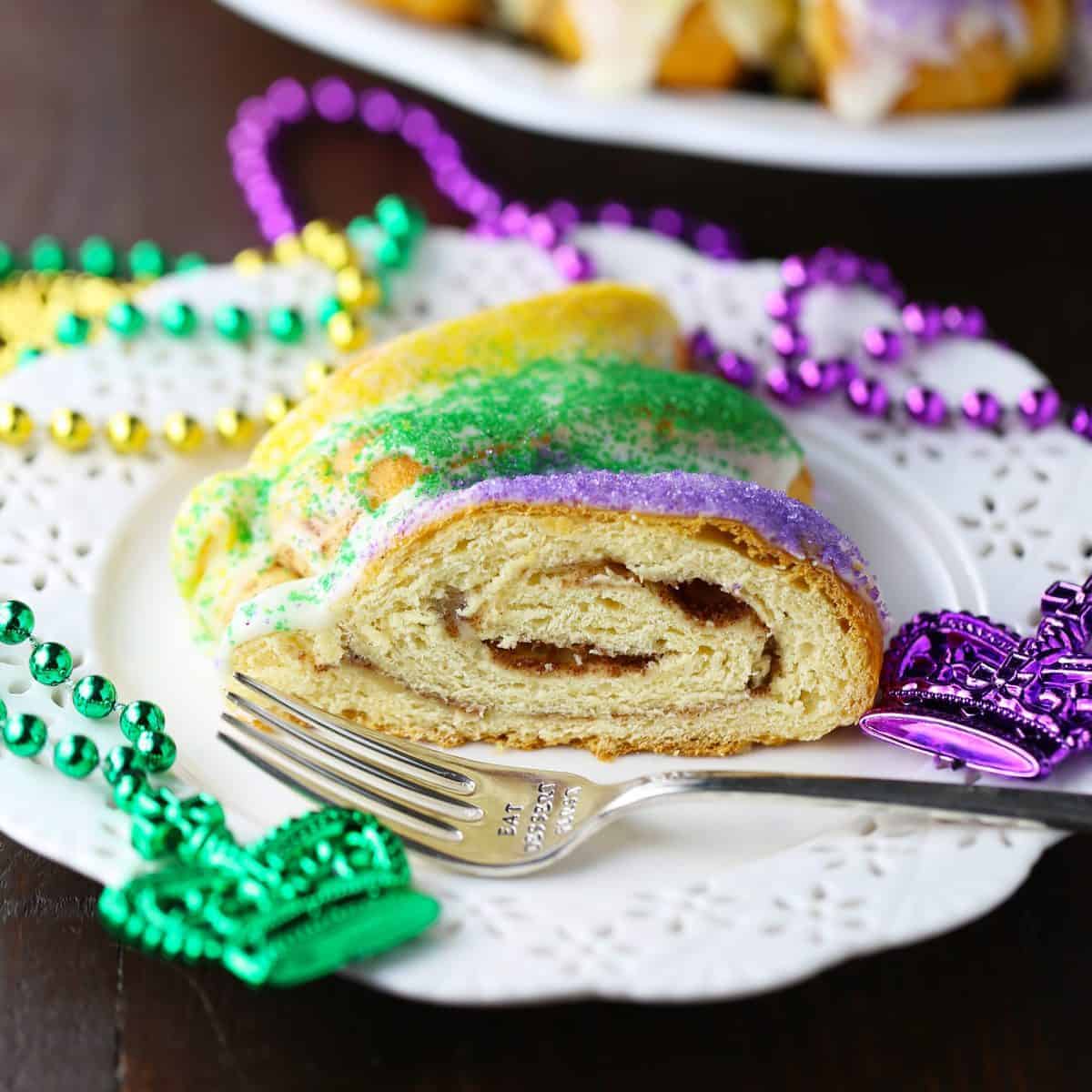
At its core, king cake is a sweet, brioche-like bread pastry, typically baked in a circular or oval shape to resemble a crown or a wreath. While often associated with New Orleans and its flamboyant Mardi Gras celebrations, this delectable treat has a rich lineage that spans continents and centuries. You might also hear it referred to as "three kings cake" or, in France, "galette des rois," highlighting its historical ties to Epiphany. The cake's rich, buttery dough provides the perfect canvas for a generous coating of sweet glaze, often flavored with vanilla or citrus. What truly sets it apart, however, are the signature sprinkles: purple, symbolizing justice; green, representing faith; and gold (or yellow), embodying power.
Beyond its festive appearance and delicious taste, a central element of the king cake tradition is the hidden "baby" – a small, typically plastic figurine (though historically other objects were used) tucked inside the cake. Finding this tiny trinket is said to bring good luck for the coming year, and often bestows upon the finder the honor (and responsibility) of hosting the next Mardi Gras gathering or providing the next king cake.
The Royal History Behind Every King Cake Recipe
The tradition surrounding the king cake is steeped in history, originating centuries ago in Europe, particularly in France and Spain. Here, wreath-shaped cakes were enjoyed on Three Kings' Day, also known as Epiphany, which falls on January 6th. This day marks the twelfth day of Christmas and commemorates the biblical story of the Three Wise Men (Magi or Kings) who journeyed to honor the infant Jesus. As European immigrants made their way to America, they brought their cherished customs, including the king cake recipe, with them.
Early versions of the cake were far simpler than the elaborate, color-splashed creations we see today in places like the French Quarter. Over time, as the tradition took root in the vibrant culture of New Orleans, the cake evolved, embracing the characteristic colors and festive adornments that have become synonymous with Mardi Gras.
The Hidden Treasure: The Toy Baby Tradition
Perhaps the most enchanting aspect of any king cake is the hidden object. This tradition, dating back to the 19th century when king cake became a staple at Mardi Gras celebrations and annual balls in New Orleans, initially involved bakers hiding a fava bean within the cake. Sometimes, a pecan or even a gold ring would be used. Whoever discovered the bean was crowned the king or queen of the ball, a coveted title that came with bragging rights and, crucially, the obligation to provide the next year's cake.
The shift to the now-familiar toy baby is a fascinating piece of history. Legend has it that in the 1940s, a traveling salesman found himself with a surplus of porcelain babies. While visiting New Orleans, he approached McKenzie’s Bakery, one of the city's most successful commercial bakeries at the time, with an innovative idea: hide these toy babies in the king cakes. The concept was a hit and quickly caught on, though porcelain eventually gave way to safer, more durable plastic figurines. Symbolizing baby Jesus, finding this tiny figure continues to represent good fortune and ensures the continuation of the festive tradition.
Crafting Your Own King Cake Recipe: A Step-by-Step Guide to Celebration
Embarking on your own king cake recipe journey is a delightful way to connect with this rich tradition. While the idea of baking from scratch might seem daunting, the process is incredibly rewarding. The aroma of yeast dough filling your kitchen, the careful decoration, and the anticipation of who will find the baby all contribute to a truly memorable experience. There's a special satisfaction in knowing every ingredient that goes into your cake, allowing for customization of flavors and fillings to suit your personal taste. Plus, a homemade king cake always tastes fresher and more authentic than store-bought versions.
Essential Elements of a Perfect King Cake
To truly master a king cake, understanding its fundamental components is key:
- The Dough: The foundation of any good king cake is a rich, sweet yeast dough, often akin to brioche. This requires active dry yeast, warm milk, sugar, eggs, and a generous amount of butter. The dough needs time to rise, creating a light, airy texture that is slightly sweet on its own. Some recipes might incorporate a hint of nutmeg or citrus zest directly into the dough for added flavor.
- The Filling (Optional, but Recommended!): While traditional king cakes were often plain, modern versions frequently feature delicious fillings. A popular choice is a sweetened cream cheese filling, often combined with a touch of vanilla or lemon zest. Other variations include cinnamon-sugar swirls, pecan praline, or fruit fillings. This is where you can truly personalize your king cake recipe.
- The Icing: A thick, sweet glaze is essential. Typically made from powdered sugar, milk or water, and a splash of vanilla extract, this icing forms a delightful, slightly crisp shell over the soft cake. Some bakers prefer adding a touch of lemon juice for brightness or almond extract for a different flavor profile.
- The Sugars: The vibrant purple, green, and gold (or yellow) colored sugars are non-negotiable. These aren't just for decoration; they carry the symbolic meaning of Mardi Gras: justice (purple), faith (green), and power (gold). Applying them while the icing is still wet ensures they adhere beautifully.
- The Baby: The crucial hidden element! Small plastic babies designed for king cakes are readily available, especially during carnival season. Remember to insert the baby *after* the cake has baked and cooled but *before* icing, pushing it up from the bottom to avoid disturbing the top crust. Always inform your guests about the hidden baby for safety.
Tips for Mastering Your King Cake Recipe
Even for experienced bakers, making a king cake can present unique challenges. Here are some tips to ensure your homemade version is a resounding success:
- Proof Your Yeast: Always ensure your yeast is active by dissolving it in warm liquid (milk or water) with a pinch of sugar. If it doesn't foam up after 5-10 minutes, your yeast might be dead, and it's best to start again.
- Don't Rush the Rise: Yeast doughs thrive on patience. Allow the dough ample time to rise in a warm, draft-free place. This is crucial for developing flavor and achieving that light, fluffy texture.
- Mind Your Butter: If using a brioche-style dough, ensure your butter is softened but not melted, and incorporate it gradually. This creates a rich, tender crumb.
- Even Baking: Bake your king cake until it's golden brown and cooked through. A quick internal temperature check (around 190-200°F or 88-93°C) can confirm doneness without overbaking, which can lead to a dry cake.
- Cool Completely Before Icing: Applying icing to a warm cake will cause it to melt and run off. Be patient and let the cake cool fully on a wire rack.
- Distribute Sugars Quickly: Once you've applied the icing, immediately sprinkle the colored sugars. The icing will begin to set, and you want the sugars to adhere properly.
Embrace the Spirit: Your King Cake Recipe Awaits!
From its ancient European roots honoring the Magi to its modern-day starring role in Mardi Gras festivities, the king cake is a dessert rich in history, symbolism, and pure joy. Preparing a king cake recipe at home is more than just baking; it's an act of participation in a vibrant cultural tradition. It’s an opportunity to gather friends and family, share a delicious treat, and perhaps even pass on a bit of good luck for the year ahead. So, don your apron, gather your ingredients, and get ready to experience the magic of making your very own King Cake – a true centerpiece for any celebration.
